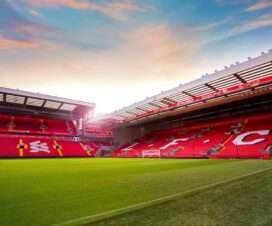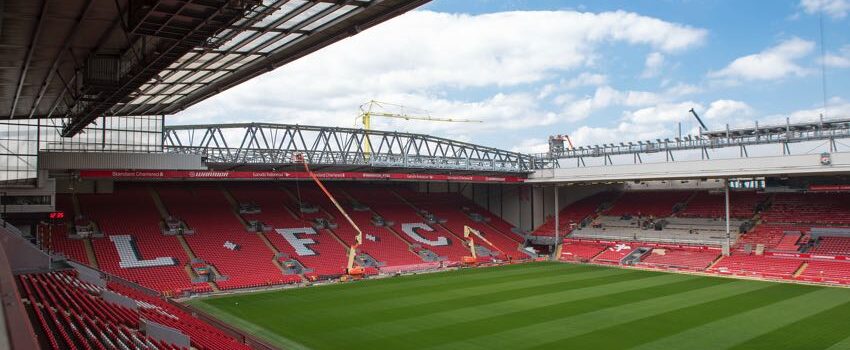
Ask any Liverpool fan about Anfield and you’ll hear the same line sooner or later: the ground is worth ten points a season, maybe fifteen if the person saying it has had a couple of pints. We’ve repeated it for so long that it now passes for fact. It goes in the same box as the idea that You’ll Never Walk Alone hands us an extra man. Is any of it true? Does the ground actually win us points, or will we find that we’ve been telling ourselves a nice story for decades?
The truth lands somewhere in the middle. Thanks to the pandemic, we also got the closest thing to a real experiment football will ever give us, because nobody in their right mind would lock the Kop out for a full season on purpose.
What the Empty Stadiums Told Us
Researchers all over Europe jumped on it when COVID closed the gates in 2020. A systematic review in Frontiers in Sports and Active Living pulled the findings together and found that around 69% of studies picked up a clear drop in home advantage once games moved behind closed doors. Referees went easier on the visitors. Away sides picked up fewer fouls and cards, and home win rates dropped across the biggest leagues on the continent.
No club showed the effect more clearly than Liverpool. Before the pandemic, Klopp’s side went 68 home games unbeaten at Anfield, which is the longest run any single manager has put together at the ground. Then the Kop emptied out and we lost six league matches in a row at home. Six defeats, one after another. The last time that happened was 1953-54, and we got relegated that season. Klopp himself called the missing crowd “one of the main reasons”, and Shaqiri went a step further by saying games at Anfield had become “easier for smaller clubs”.
How the Market Prices the Ground
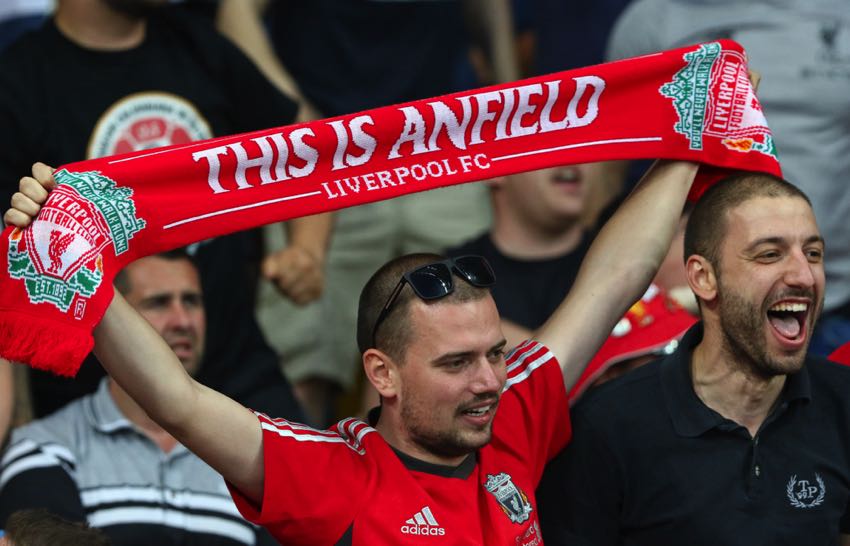
katatonia82, Shutterstock
Anyone who has spent time looking at football odds will know that bookmakers have always trimmed the home price at certain grounds. Anfield, the Bernabéu, the Westfalenstadion and Celtic Park all carry a crowd premium. It’s the kind of thing newer punters learn the hard way, usually after they’ve burned through their football free bets backing every big home favourite they can find. The odds will look generous on paper until you realise the atmosphere was already priced in from the start.
When COVID emptied the stadiums, a Bundesliga study found that bookmakers were slow to take the crowd factor back out of their models, and punters who cottoned on early made money betting away sides at odds that still assumed a full house. It showed how deeply the home premium is wired into the way prices get set, and how much of it really does come down to the noise rather than the pitch or the travel.
Crowd, Travel or Just Familiarity?
Studies tend to split home advantage into separate parts instead of treating it as one single force. Researchers usually point to the crowd’s pull on the players, its pull on the referee, the tired legs an away side will bring after a long trip, and the comfort of playing on a pitch you know inside out.
Some of those have faded. Across Europe, home advantage has dropped from over 70% in the mid-twentieth century to about 58% now, and that fall lines up nicely with better travel and more uniform pitches. The crowd is the part that still makes a real difference, and it’s the part Anfield turns up louder than almost anywhere.
So, Is It Really Worth Ten Points?
kenny1, Shutterstock
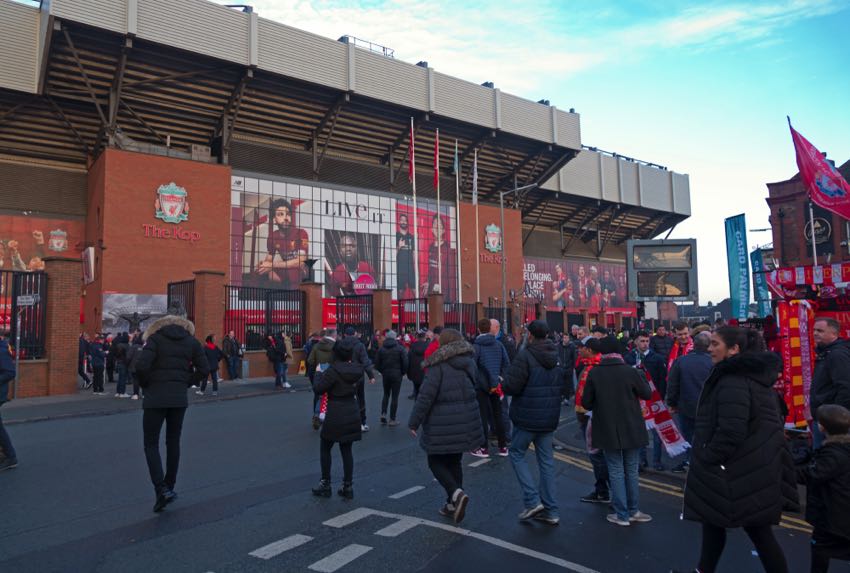
Over the whole Premier League era, Liverpool have won about 63% of their home games. We won all 19 in 2019-20. Take the crowd away and you get 2020-21, the season straight after we lifted the title, when we managed just 10 wins from 19 at home and lost six on the bounce. That’s a drop of 24 points at home in a single season. Injuries did plenty of damage that year too, but the empty ground was the one big change that everyone could point to.
Does that make Anfield worth ten points a season? In a good year it’ll probably be worth more than that, though when we’re already struggling the crowd can only drag a side so far. A crowd won’t score goals. What it can do is swing the tight games, mostly by getting into the heads of referees on the 50-50 calls and pushing visiting players into rushing decisions they’d make calmly anywhere else.
The data backs that up. The bigger question will be whether the next wave of fans in the new Anfield Road End can keep up the kind of pressure Klopp’s teams thrived on, or whether the old magic will slowly fade, as it has at plenty of famous grounds around Europe.