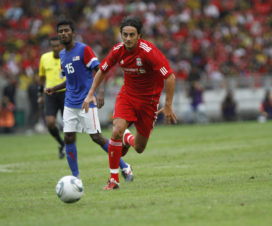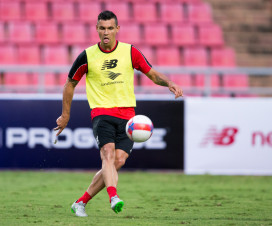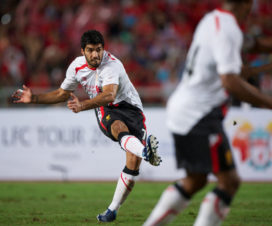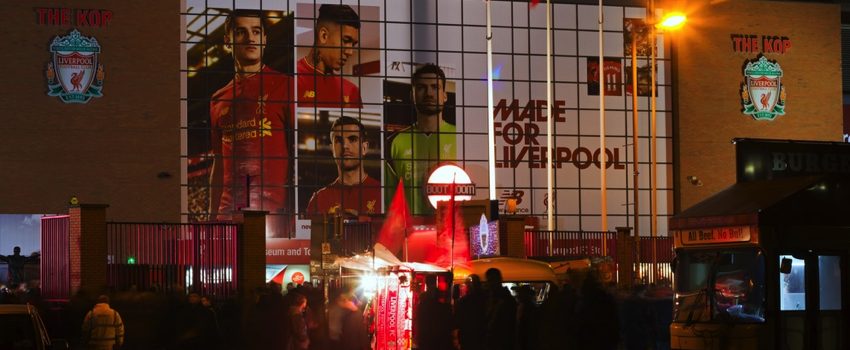
Liverpool fans will tell you that a European night at Anfield is its own thing. The floodlights seem brighter, the noise arrives earlier and there’s a sense, before a ball has been kicked, that the usual rules might not apply. It’s a feeling built over decades, and it was on show again when the Reds came from 2-0 down to beat Villarreal in the Champions League this month.
That tradition of comebacks is one of the defining features of the club’s identity. Here’s a look at where it comes from, why it still matters and what a European night means to the people who live it.
A History Built on Big Nights
Liverpool’s relationship with European competition goes back to the 1960s, and it has produced some of the most memorable nights in the club’s history. The Reds have won the European Cup or Champions League six times, in 1977, 1978, 1981, 1984, 2005 and 2019, a record among English clubs.
The trophies are only part of the story. For many supporters, it’s the way those nights unfolded, with a crowd that refuses to accept defeat, that makes them special.
The Comeback Tradition
Vitalii Vitleo, Shutterstock
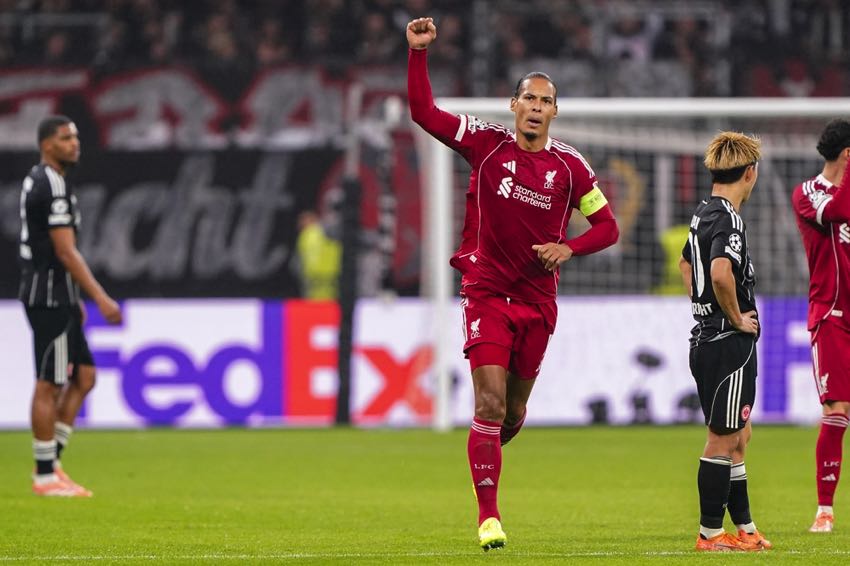
A handful of games have become shorthand for what Liverpool can do. In Istanbul in 2005, Liverpool came back from 3-0 down at half-time against AC Milan to draw 3-3 and win on penalties. In 2016, a Europa League quarter-final against Borussia Dortmund finished 4-3 in the Reds’ favour after another dramatic second-half turnaround.
Then came 2019, when Liverpool overturned a 3-0 first-leg deficit against Barcelona, winning the return 4-0 to reach the final. Each of those nights added to the idea that no scoreline is out of reach.
What the Crowd Brings
It’s easy to say the atmosphere makes a difference, and harder to measure it. But players and managers from both sides have spoken about how loud and intense European nights at Anfield can be. The Kop’s singing, the flags and the sense that every second ball belongs to the home side all add to the pressure on visitors.
The ritual is part of it too. “You’ll Never Walk Alone” before kick-off, the scarves held high and the early roar when the teams emerge are all designed to set a tone, and supporters take real pride in being part of it.
How Fans Prepare
Janet Whiley, Shutterstock
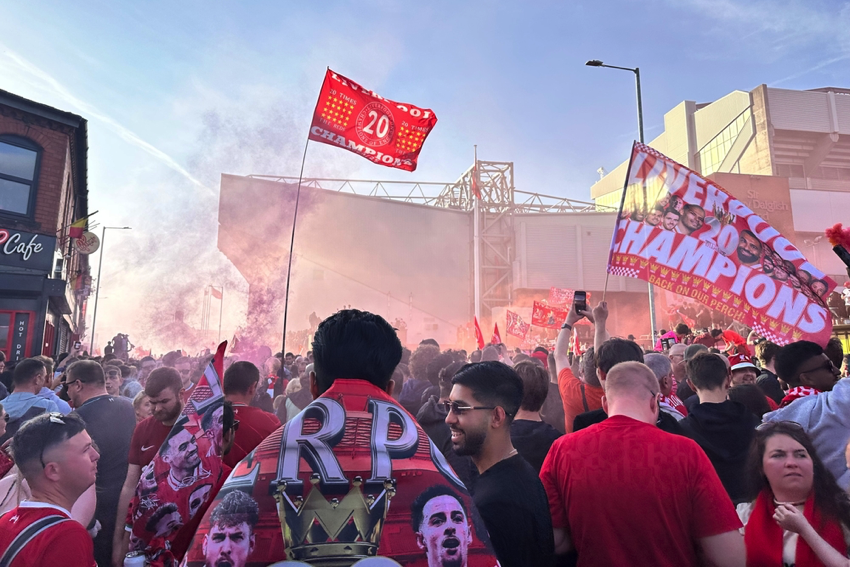
Match days have their own routines. Some fans start the day with a pub lunch and a walk to the ground, others spend it reading team news and match previews. Group chats fill up with predictions and line-up guesses, and by mid-afternoon, plenty of people are comparing notes on everything from tactics to the best UK betting sites for checking how the market is reacting to the team sheet.
Most, though, just want to be in their seat, or in a pub with a screen and a good view, when the music starts.
Why It Matters
European nights matter because they connect past and present. A supporter who watched the 1980s sides at Anfield and a teenager at their first Champions League game can share the same moment of hope when the team goes behind. Football’s emotional power comes from that continuity, and few grounds deliver it as clearly.
They matter commercially and competitively as well. Success in Europe brings prestige and revenue, and a strong run can shape a whole season. But for most supporters, the numbers come second to the feeling.
The Next Chapter
The Villarreal comeback was one more addition to a long story. It won’t be remembered like Istanbul or the Barcelona night, but it offered a reminder of what the ground can do when the team needs it. Each new season brings another chance to write a chapter of its own.
If history is any guide, the next big European night won’t need much of a script. A noisy crowd, a team on the ropes and a ground that doesn’t believe in lost causes tend to do the job on their own.